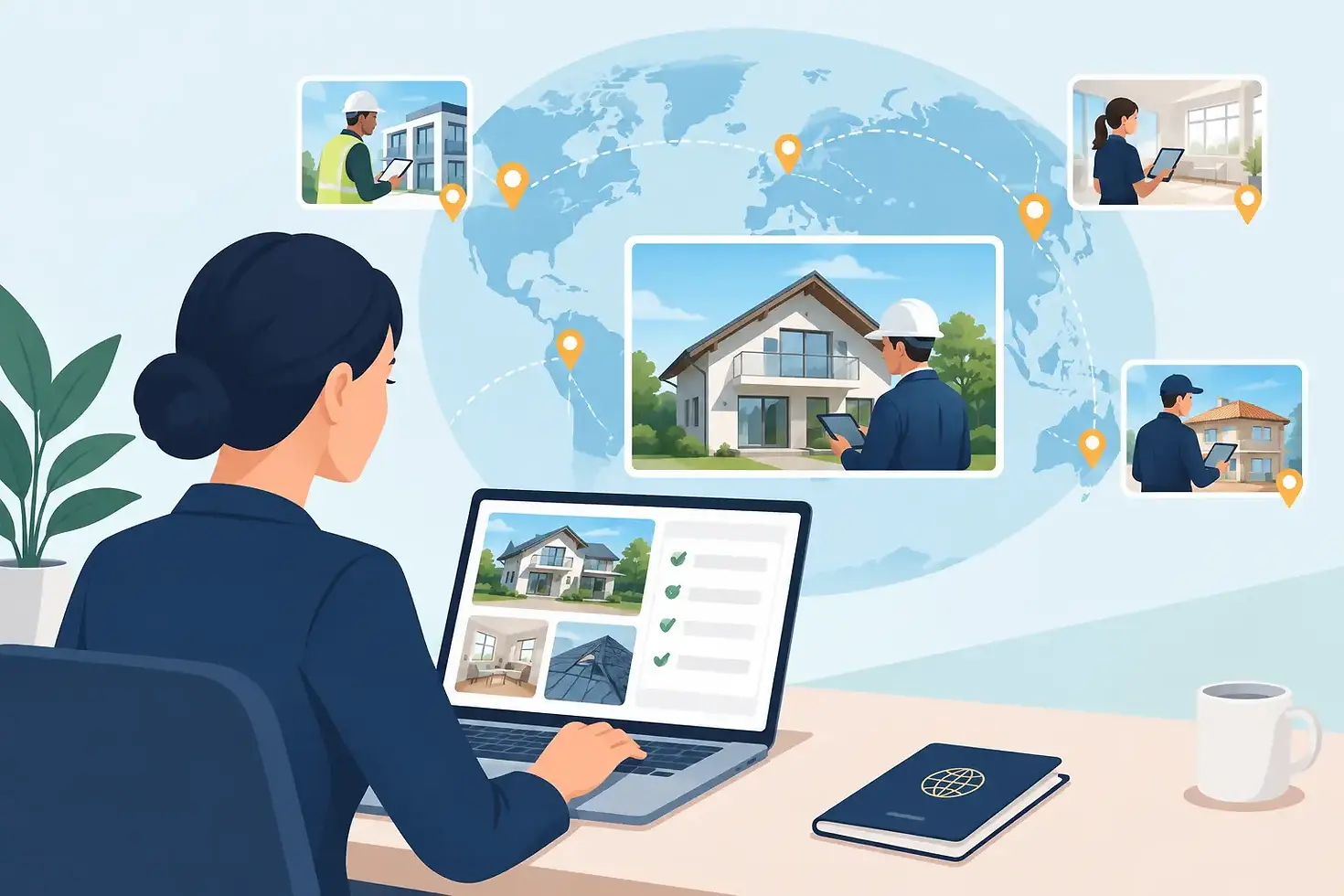
How to Coordinate Property Inspections Abroad

A premier Guanacaste estate is rarely evaluated in a single visit. The coastline, the approach road, the sound of the surf at different hours, and the way a residence performs after a tropical rain all shape the decision. To coordinate property inspections well from abroad is to create a considered process that respects both the significance of the asset and the demands on your time.
For discerning buyers, inspection coordination is not merely calendar management. It is the careful sequencing of private viewings, technical due diligence, professional introductions, and on-the-ground observations so that each trip to Costa Rica yields genuine clarity. The objective is not to see the most homes. It is to understand the right ones deeply enough to act with confidence.
Coordinate Property Inspections Before You Arrive
The most valuable inspection work begins before flights are booked. A private itinerary should be built around your intended use of the property: a family retreat, a seasonal residence, an income-producing villa, or a multigenerational legacy holding. Each purpose creates different priorities. A buyer planning extended family stays may place access, bedroom separation, and service capacity at the center of the evaluation. An investor may look more closely at operational performance, rental restrictions, and long-term maintenance demands.
Start with a disciplined shortlist. For an estate in Peninsula Papagayo, Las Catalinas, Tamarindo, Nosara, or another distinguished Guanacaste location, photographs and floor plans provide only a first impression. Ask for the details that determine whether a viewing is warranted: current ownership structure, community fees where applicable, access conditions, approximate monthly operating costs, water source, and whether the home is occupied or actively rented.
A pre-viewing conversation with the listing representative or trusted buyer advisor can also surface nuances that rarely appear in polished marketing materials. Is the ocean view protected or simply present today? How does the property feel during green season? Is the beach access direct, deeded, shared, or dependent on a nearby route? Such questions do not diminish the romance of a coastal acquisition. They protect it.
The itinerary itself should allow room for reflection. Viewing four exceptional homes in one afternoon can blur distinctions that matter. Two or three well-selected properties, with time to revisit a leading candidate at a different hour, usually produces a more intelligent comparison. Papagayo Luxe approaches this stage as a private curation exercise, shaping viewings around a buyer's standards rather than the volume of available inventory.
Design a Viewing Day That Reveals the Property
A luxury residence should be experienced as it will be lived in. Morning light may reveal a view that photographs cannot convey; late afternoon may show how terraces, pools, and outdoor entertaining spaces truly perform. If a home is near the coast, visit with attention to wind, salt exposure, privacy from neighboring properties, and the ambient activity of the area.
Arrive early enough to examine the approach. In Guanacaste, the journey to the home is part of its daily reality. Consider road surface, drainage, grade, lighting, gate access, and the distance to provisions, medical care, schools, marinas, or the airport according to your lifestyle. A dramatic hillside setting may deliver extraordinary panoramas while asking more of vehicles, construction, and ongoing stewardship. That trade-off is neither good nor bad, but it should be intentional.
Inside, view the residence beyond its staged moments. Open cabinets, inspect storage, note the relationship between primary suites and guest quarters, and assess whether indoor-outdoor spaces remain comfortable across the year. Ask how the home is staffed and maintained when the owners are away. Many premier estates have sophisticated systems for pools, landscaping, security, backup power, and water treatment. The presence of those systems is reassuring only when their condition, operators, and costs are understood.
For homes with a rental history, request a conversation that distinguishes exceptional peak-season results from annual performance. Revenue can be meaningful, but it should not eclipse the property's suitability as a personal residence or its carrying requirements. The finest purchase is often one whose lifestyle value remains compelling even when rental income is not the principal rationale.
Return to the Leading Candidate
A second visit is a sign of discernment, not indecision. Return at a contrasting time of day, ideally after you have seen the alternatives. Notice whether the arrival still feels compelling, whether the proportions remain graceful, and whether questions raised during the first visit have been answered directly.
If possible, allow a technical professional to join this revisit or schedule a dedicated inspection soon afterward. A beautiful home deserves both emotional conviction and factual verification.
Move From Private Viewing to Technical Due Diligence
A property inspection in Costa Rica should be performed by an appropriately qualified, independent professional with experience in the property's construction type and location. The inspection scope should be agreed upon in writing. For a newer villa, the focus may be finish quality, systems, drainage, and warranties. For an established estate, it may extend to roofing, corrosion, retaining walls, pool equipment, septic or wastewater systems, electrical capacity, and deferred maintenance.
Coastal conditions require particular attention. Salt air, intense sun, high humidity, and seasonal rains can affect exterior materials, metalwork, waterproofing, landscaping, and mechanical systems more quickly than buyers accustomed to temperate markets may expect. This does not make a coastal property difficult to own. It makes proactive stewardship essential, and the inspection should identify what that stewardship will require.
The right team may also include a Costa Rican real estate attorney, surveyor, engineer, accountant, insurance professional, and, where relevant, an architect or property manager. Their roles are distinct. An inspector can identify visible physical concerns. An engineer may evaluate a structural question. An attorney examines title, corporate ownership, permits, easements, and transaction documentation. No single professional should be expected to replace the work of the others.
Timing matters. Independent inspections are commonly coordinated during the due diligence period associated with an offer or purchase agreement, but the precise sequence depends on the transaction, the property, and the advice of your legal counsel. Buyers should resist the temptation to compress every question into a short visit. A well-structured process allows findings to be reviewed, follow-up visits to be arranged if necessary, and commercial terms to be discussed with composure.
Keep the Process Discreet and Decisive
For buyers acquiring from the United States, remote participation can be highly effective when it is organized properly. Request a live video walkthrough for any property that advances beyond the first viewing, rather than relying only on edited footage. Have your inspector document findings with annotated photographs and a clear explanation of priority: immediate repair, near-term maintenance, or routine monitoring.
A concise decision file can keep the process orderly. It should include the latest property materials, viewing notes, inspection findings, projected operating costs, professional questions, and the assumptions supporting your offer. The purpose is not to create unnecessary paperwork. It is to preserve a reliable record when decisions involve family members, advisors, or a holding entity.
Discretion also means limiting access to sensitive information. Off-market estates and privately held legacy properties may require confidential handling of location details, owner preferences, and viewing schedules. A trusted advisor coordinates introductions with respect for all parties, while ensuring that you receive sufficient information to evaluate the opportunity responsibly.
Let Findings Shape the Negotiation
Inspection findings should inform the acquisition strategy, not automatically end it. Nearly every property has a maintenance history, and even a meticulously kept estate will have future capital needs. The question is whether the findings are proportionate to the residence's price, age, location, and intended use.
Some issues can support a request for repair, a credit, an adjusted price, or an extended diligence period. Others may be accepted as part of owning a distinctive coastal home, particularly when the architecture, setting, and scarcity of the property are exceptional. Your attorney and local advisors can help determine what is commercially reasonable, while your own standards should determine what feels right.
The strongest inspection process leaves you with more than a report. It gives you an early understanding of how the home will be cared for, who will care for it, and what it will ask of you over time. That knowledge turns a private viewing into the beginning of responsible stewardship - the right foundation for a Guanacaste property that can be enjoyed, protected, and passed forward.

Comments